
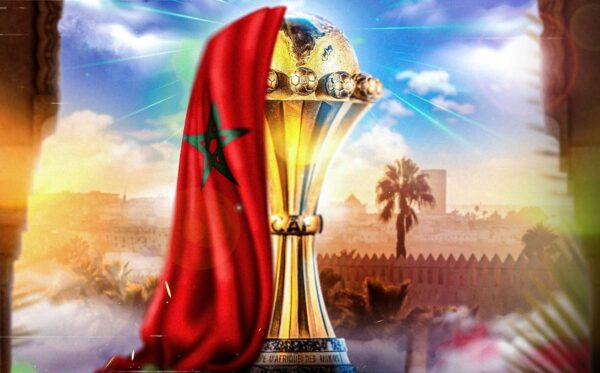
AFCON has always been about more than just the trophy. When Morocco hosts the tournament starting December 21, 2025, 24 teams will be competing for continental glory and a share of what could be the most significant prize pot in AFCON history.
The numbers tell their own story. A total of $32 million sits waiting to be distributed among the nations that have earned their place at African football’s grandest stage.
For context, that figure represents a massive leap from where the tournament stood just a few years ago, though the gap between AFCON and its counterparts in Europe and South America remains stark.
AFCON 2025: Full Schedule, Fixtures, Stadiums and Key Details Explained
Breaking Down the Money
Every team that makes it to Morocco will walk away with something. Even those who finish bottom of their groups and pack their bags after three matches will collect $500,000.
That might sound modest compared to what European clubs spend on a single player, but for many African football federations, this money can fund youth programs, training facilities, and development initiatives that might otherwise go unfunded.
The structure rewards progress through the tournament in increasingly substantial increments. Teams that finish third in their groups but still get eliminated will take home $700,000 each.
Only two of the third-placed teams will exit at this stage, given that the format allows four of the six third-place finishers to advance to the knockout rounds.
Once you reach the round of 16, the financial stakes climb considerably.
The eight teams that bow out at this stage will each collect $800,000. For nations that rarely advance deep into major tournaments, reaching this point represents both a significant sporting achievement and a substantial financial boost.
The quarterfinals is where the money starts to feel substantial. The four teams eliminated at this stage will each receive $1.3 million. At this point in the tournament, you are talking about genuine contenders, teams that have navigated the group stage and won a knockout match. The reward reflects that accomplishment.
Reaching the semifinals brings a different level of recognition.
The two losing semifinalists will each earn $2.5 million. These are the teams that came within one match of the final, that pushed the eventual finalists or fell just short of their own dreams of lifting the trophy.
The final itself carries the biggest financial divide. The runner-up collects $4 million, a significant sum that recognises making it all the way to the championship match. But the winners, the team that lifts the trophy and earns bragging rights across the continent for the next two years, will take home $7 million.
The Full Prize Money Structure
Here’s how the $32 million gets distributed across all 24 teams:
| Stage | Teams | Prize Money (per team) | Total per Stage |
|---|---|---|---|
| Winner | 1 | $7,000,000 | $7,000,000 |
| Runner-up | 1 | $4,000,000 | $4,000,000 |
| Semi-finalists | 2 | $2,500,000 | $5,000,000 |
| Quarter-finalists | 4 | $1,300,000 | $5,200,000 |
| Round of 16 | 8 | $800,000 | $6,400,000 |
| 3rd in Group (eliminated) | 2 | $700,000 | $1,400,000 |
| 4th in Group | 6 | $500,000 | $3,000,000 |
| Total | 24 | — | $32,000,000 |
The distribution reveals something about how the Confederation of African Football thinks about the tournament. The majority of the money flows to teams that make deep runs. The winner alone takes home nearly 22% of the total prize fund.
The top four teams combined will collect $21.2 million, which is two-thirds of the entire pot.
But CAF also ensures that every participant gets compensated. Even the six teams that finish last in their groups will collectively take home $3 million.
That represents nearly 10% of the total fund going to teams that win zero knockout matches.
Looking at the Bigger Picture
The $32 million prize pool for AFCON 2025 matches what was on offer in 2023, when CAF announced a 40% increase from the previous edition. That jump represented a statement of intent from African football’s governing body, a signal that they wanted to elevate the tournament’s profile and reward participating nations more substantially.
The problem is that when you look beyond Africa, the financial disparity becomes almost comical. The most recent European Championship had a total prize fund of $385 million.
That’s more than twelve times what AFCON offers. Spain, the Euro 2024 winners, took home prize money that dwarfed what any African nation could dream of earning.
Copa America 2024 distributed $72 million among its participants. That’s more than double what AFCON offers, despite South America having only ten football nations compared to Africa’s 54.
These comparisons matter because they reflect the broader economic realities of global football. European clubs dominate transfer markets, UEFA competitions generate astronomical broadcast revenues, and that wealth trickles down to national team competitions.
African football operates in a different economic universe, one where broadcasting deals bring in a fraction of what European tournaments command and where corporate sponsorships remain comparatively modest.
Still, AFCON has made real progress. The tournament has been steadily increasing its prize money over the past decade, recognising that competitive balance requires financial investment.
And when you compare AFCON to other continental competitions like the Asian Cup, the AFC Asian Cup, or the Arab Cup, the African tournament actually holds its own. The Asian Cup 2023 had a prize fund of around $17 million, less than half of what AFCON offers.
The Unofficial Status
One detail worth noting is that CAF has not officially confirmed the $32 million prize fund for 2025. The figures circulating are based on the 2023 edition and the expectation that the prize money will remain consistent.
CAF normally increases the pot every two tournament cycles rather than every edition, which suggests the 2025 numbers should match 2023.
Until CAF makes an official announcement, there remains some uncertainty. Football administration in Africa can be unpredictable, and while all signs point to the $32 million figure being accurate, teams will be waiting for formal confirmation before they start planning how to spend their potential earnings.
What the Money Actually Means
For wealthy football nations like Morocco, Algeria, or Egypt, the prize money from AFCON represents a nice bonus but not a game-changer.
These countries have established football infrastructures, domestic leagues that generate revenue, and federation budgets that can support national teams even without tournament winnings.
For smaller nations, though, the money can be transformative.
A team that makes it to the quarterfinals and collects $1.3 million might be looking at a sum that exceeds their annual football budget.
That money can build training facilities, send youth teams to international competitions, hire better coaches, and improve the infrastructure that produces the next generation of players.
The group stage payments, modest as they might seem, matter too.
That $500,000 for last-place finishers can fund a year of youth development programs or upgrade equipment at the national training center.
These are investments that pay dividends over time, creating better conditions for young players and potentially producing the stars who will shine at future tournaments.
The Road Ahead
African football finds itself at an interesting crossroads. The sport on the continent has never been more competitive or more visible globally.
African players dominate European leagues, with stars from Nigeria, Senegal, Egypt, Morocco, and elsewhere playing crucial roles at the world’s biggest clubs.
The challenge is translating that individual talent into broader institutional wealth. AFCON’s prize money has grown significantly, but it remains a fraction of what European and South American tournaments offer.
Closing that gap will require more than just CAF deciding to increase prize money. It will demand better broadcasting deals, more lucrative sponsorships, and greater global interest in African football as a product.
The 2025 tournament in Morocco offers a platform to showcase what African football can be. A well-organised tournament in a country with excellent infrastructure and passionate fans could attract viewers from around the world and demonstrate the market potential that broadcasters and sponsors might be missing.
For now, though, the 24 teams heading to Morocco will be focused on the football itself. The prize money matters, but glory matters more.
Winning AFCON means immortality in your country, your name forever linked with continental success. The $7 million that comes with the trophy is nice, but the legacy of being champions lasts far longer than any bank balance.
When the tournament kicks off in about 9 days from now, every team will start with dreams of reaching that final. Some will fall short in the group stage, others will push deep into the knockout rounds.
But all of them will be competing for their share of the biggest prize pot AFCON has ever offered, another small step forward for African football’s ongoing journey.

