
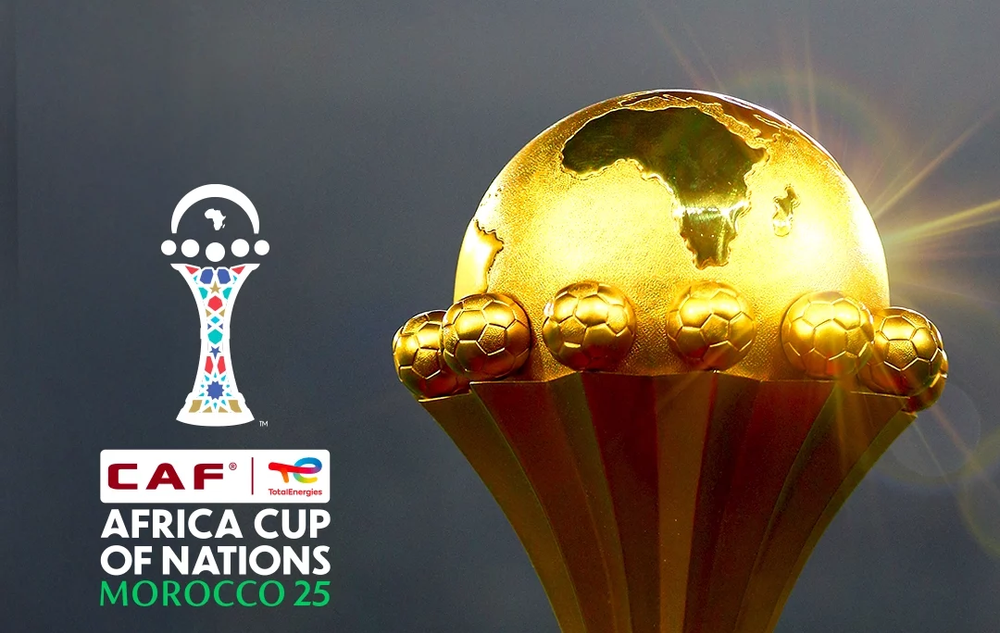
AFCON will take centre stage this December as Morocco hosts the 35th edition of the Africa Cup of Nations. For the first time in the tournament’s rich history, matches will be played over the Christmas and New Year period, running from December 21, 2025, to January 18, 2026.
This scheduling shift reflects the evolving landscape of international football, and it sets up a fascinating month of competition across six Moroccan cities.
The tournament carries extra weight for Morocco, which last hosted the competition in 1988 and will be looking to capture its second title on home soil.
Twenty-four teams will battle across nine stadiums, each bringing their own ambitions and stories to this North African stage.
- Why December? Understanding the Schedule Change
- The Road to Morocco
- Host Cities and Stadiums
- Tournament Format and Structure
- The 24 Teams: Groups and Qualifications
- GROUP A
- GROUP B
- GROUP C
- GROUP D
- GROUP E
- GROUP F
- THIRD-PLACE RANKINGS
- ROUND OF 16 – Knockout Stage
- Quarter-Finals (January 9-10, 2026)
- Semi-Finals (January 14, 2026)
- Third-Place Playoff (January 17, 2026)
- Historical Context: AFCON’s Rich Legacy
- How to Watch AFCON 2025
- Tickets and Fan Experience
- The Match Ball: ITRI
- Players to Watch
- What This Tournament Means
Why December? Understanding the Schedule Change
The move to a winter tournament came about through necessity rather than choice. FIFA’s expansion of the Club World Cup to 32 teams, scheduled for June and July 2025, forced a rescheduling of what was meant to be a summer tournament.
The original plan had been to avoid conflicts with European club schedules, but the expanded Club World Cup made that impossible.
This creates an interesting wrinkle for clubs across Europe. The tournament kicks off just as many leagues break for their winter holidays, but it extends into January when competitions resume. Bundesliga teams, for instance, will be without their African contingent during a crucial part of the season.
The Premier League, which traditionally plays through the festive period, will similarly feel the absence of key players.
The timing also means this AFCON will be the first played during the holiday season, adding a unique flavour to proceedings. Fans travelling to Morocco will experience the tournament against the backdrop of year-end celebrations, while those watching from home can make it part of their holiday viewing.
The Road to Morocco

Morocco’s journey to becoming a host followed a complicated path. Guinea was originally selected but had its hosting rights stripped in September 2022 due to inadequate infrastructure and slow progress in preparations. After a new bidding process, Morocco was confirmed as host on September 27, 2023.
The Atlas Lions, who won their only title in 1976, automatically qualified as hosts but chose to compete in the qualification rounds anyway. They topped their group with six wins from six matches, sending a statement of intent ahead of their home tournament.
This will be Morocco’s second time hosting AFCON, and preparations have been extensive. The country is not just preparing for this tournament but also for co-hosting the 2030 World Cup alongside Spain and Portugal.
This dual focus has accelerated infrastructure development across the nation, with new and renovated stadiums ready to showcase African football at its finest.
Host Cities and Stadiums
Morocco will spread matches across six cities, each offering its own character and atmosphere. The nine venues range from intimate 18,000-capacity arenas to massive 75,000-seat stadiums.
Rabat
As Morocco’s capital, Rabat takes pride of place with four stadiums hosting matches. The city will stage both the opening match and the final, making it the tournament’s nerve center.
Prince Moulay Abdellah Stadium (69,500 capacity) – This newly constructed venue, which opened in September 2025 and was built in just two years, will host the tournament opener when Morocco faces Comoros on December 21.
The stadium will also stage all of Morocco’s group games and the final on January 18. Located 7km from the city centre, it represents Morocco’s ambitions not just for this tournament but for the 2030 World Cup as well.
Prince Héritier Moulay El Hassan Stadium (22,000 capacity) – A modern facility in the heart of the city that will host knockout stage matches.
Olympic Annex Stadium (21,000 capacity) – Part of the larger Prince Moulay Abdellah complex, this venue was built specifically for AFCON and will host group stage matches.
El Barid Stadium (18,000 capacity) – The tournament’s most intimate venue, offering a closer connection between fans and players.
Tangier
Positioned at Morocco’s northern tip near the Strait of Gibraltar, Tangier hosts the tournament’s largest venue.
Ibn Batouta Stadium (75,000 capacity) – Named after the famous Moroccan explorer, this massive arena will host group matches and crucial knockout rounds. Its size and location make it one of the tournament’s most imposing venues.
Casablanca
Morocco’s largest city brings a deep football heritage through its historic ground.
Mohammed V Stadium (67,000 capacity) – Originally opened in 1955, this is one of Africa’s most storied stadiums. It will host six group matches, a Round of 16 tie, and the third-place playoff. The stadium has witnessed decades of Moroccan football history and adds a layer of tradition to the tournament.
Marrakesh
One of Morocco’s most iconic tourist destinations combines its rich cultural heritage with modern sporting facilities.
Grand Stade de Marrakech (45,240 capacity) – This venue will host six group matches, a Round of 16 match, and one quarter-final, offering visiting fans the chance to experience one of the world’s most captivating cities while following their teams.
Agadir
This coastal city offers stunning ocean views alongside its modern stadium.
Adrar Stadium (45,480 capacity) – Set near the Atlas Mountains, this venue provides one of the tournament’s most scenic backdrops. It will host group matches and knockout rounds, giving teams and fans a unique tournament experience.
Fez
Morocco’s cultural and spiritual capital blends ancient history with upgraded sports infrastructure.
Complexe Sportif de Fès (45,000 capacity) – Combining traditional Moroccan architecture with modern amenities, this stadium will host several group stage matches, including Nigeria’s opening game against Tanzania.
Tournament Format and Structure
The competition follows the format established when AFCON expanded to 24 teams in 2019. The six groups of four teams each play a single round-robin, with the top two from each group advancing automatically to the Round of 16. The four best third-placed teams also progress, ensuring that 16 teams compete in the knockout stages.
This format has added intrigue to the group stage. Teams finishing third still have hope, and the calculations around which third-placed teams advance can create dramatic final matchday scenarios.
The ranking of third-placed teams follows a clear hierarchy: points first, then goal difference, then goals scored, and if necessary, fair play records and ultimately a draw.
Once the knockouts begin, it becomes straight elimination. Extra time and penalties will decide matches if needed, as there are no replays or second legs.
The tournament moves quickly through the Round of 16 (January 3-6), quarter-finals (January 9-10), semi-finals (January 14), third-place playoff (January 17), and finally the grand finale on January 18.
The 24 Teams: Groups and Qualifications
All 24 qualified teams have previously competed at the Cup of Nations, including 12 former champions. Here’s how they’re divided:
Results will be updated here
GROUP A
Final Standings
| Pos | Team | Matches | W-D-L | GD | Pts | Status |
|---|---|---|---|---|---|---|
| 1 | Morocco (H) | 3 | 2-1-0 | +5 | 7 | Qualified |
| 2 | Mali | 3 | 0-3-0 | 0 | 3 | Qualified |
| 3 | Comoros | 3 | 0-2-1 | -2 | 2 | Eliminated |
| 4 | Zambia | 3 | 0-2-1 | -3 | 2 | Eliminated |
Match Results
- Dec 21: Morocco 2-0 Comoros (Prince Moulay Abdellah, Rabat)
- Dec 22: Mali 1-1 Zambia (Mohammed V, Casablanca)
- Dec 26: Zambia 0-0 Comoros (Mohammed V, Casablanca)
- Dec 26: Morocco 1-1 Mali (Prince Moulay Abdellah, Rabat)
- Dec 29: Zambia 0-3 Morocco (Prince Moulay Abdellah, Rabat)
- Dec 29: Comoros 0-0 Mali (Mohammed V, Casablanca)
Key Talking Points
- Morocco topped the group with 7 points, securing qualification with a dominant 3-0 final day victory over Zambia
- Mali advanced without winning a single match (0-3-0), drawing all three games in a remarkable defensive display
- Four of six matches ended in draws, making this the most defensively solid group of the tournament
- Comoros exited without scoring a single goal despite earning two draws against Zambia and Mali
- Morocco played all three matches at Prince Moulay Abdellah Stadium in Rabat, establishing complete home advantage
GROUP B
Final Standings
| Pos | Team | Matches | W-D-L | GD | Pts | Status |
|---|---|---|---|---|---|---|
| 1 | Egypt | 3 | 2-1-0 | +2 | 7 | Qualified |
| 2 | South Africa | 3 | 2-0-1 | +1 | 6 | Qualified |
| 3 | Angola | 3 | 0-2-1 | -2 | 2 | Eliminated |
| 4 | Zimbabwe | 3 | 0-1-2 | -2 | 1 | Eliminated |
Match Results
- Dec 22: South Africa 2-1 Angola (Marrakesh Stadium)
- Dec 22: Egypt 2-1 Zimbabwe (Adrar Stadium, Agadir)
- Dec 26: Angola 1-1 Zimbabwe (Marrakesh Stadium)
- Dec 26: Egypt 1-0 South Africa (Adrar Stadium, Agadir)
- Dec 29: Angola 0-0 Egypt (Adrar Stadium, Agadir)
- Dec 29: Zimbabwe 2-3 South Africa (Marrakesh Stadium)
Key Talking Points
- Egypt topped the group with clinical 1-0 and 2-1 victories in their opening two matches
- Egypt’s 1-0 victory over South Africa on December 26 proved decisive in determining the group winner
- South Africa secured second place with a thrilling 3-2 comeback win over Zimbabwe on the final matchday
- Angola missed qualification by one point despite two draws including a clean sheet against Egypt
- Zimbabwe earned just 1 point despite three competitive performances, losing all matches by single-goal margins
GROUP C
Final Standings
| Pos | Team | Matches | W-D-L | GD | Pts | Status |
|---|---|---|---|---|---|---|
| 1 | Nigeria | 3 | 3-0-0 | +4 | 9 | Qualified |
| 2 | Tunisia | 3 | 1-1-1 | +1 | 4 | Qualified |
| 3 | Tanzania | 3 | 0-2-1 | -1 | 2 | Qualified (3rd) |
| 4 | Uganda | 3 | 0-1-2 | -5 | 1 | Eliminated |
Match Results
- Dec 23: Nigeria 2-1 Tanzania (Fez Stadium)
- Dec 23: Tunisia 3-0 Uganda (Prince Moulay Abdellah Olympic Annex, Rabat)
- Dec 27: Uganda 1-1 Tanzania (Prince Moulay Abdellah Olympic Annex, Rabat)
- Dec 27: Nigeria 3-2 Tunisia (Fez Stadium)
- Dec 30: Uganda 1-3 Nigeria (Fez Stadium)
- Dec 30: Tanzania 1-1 Tunisia (Prince Moulay Abdellah Olympic Annex, Rabat)
Key Talking Points
- Nigeria achieved a perfect record with maximum 9 points, the only team alongside Algeria to win all three group matches
- Every match in Group C featured goals, with Nigeria’s 3-2 thriller against Tunisia being the standout entertainment
- Nigeria won all three matches at Fez Stadium, making it their impenetrable fortress
- Tanzania advanced as fourth-best third-place team with just 2 points, benefiting from superior goals scored over Angola
- Tunisia recovered from a 2-3 defeat to Nigeria with crucial draws to secure second place with 4 points
GROUP D
Final Standings
| Pos | Team | Matches | W-D-L | GD | Pts | Status |
|---|---|---|---|---|---|---|
| 1 | Senegal | 3 | 2-1-0 | +6 | 7 | Qualified |
| 2 | DR Congo | 3 | 2-1-0 | +4 | 7 | Qualified |
| 3 | Benin | 3 | 1-0-2 | -3 | 3 | Qualified (3rd) |
| 4 | Botswana | 3 | 0-0-3 | -7 | 0 | Eliminated |
Match Results
- Dec 23: DR Congo 1-0 Benin (Al Barid Stadium, Rabat)
- Dec 23: Senegal 3-0 Botswana (Ibn Batouta Stadium, Tangier)
- Dec 27: Benin 1-0 Botswana (Al Barid Stadium, Rabat)
- Dec 27: Senegal 1-1 DR Congo (Ibn Batouta Stadium, Tangier)
- Dec 30: Benin 0-3 Senegal (Ibn Batouta Stadium, Tangier)
- Dec 30: Botswana 0-3 DR Congo (Al Barid Stadium, Rabat)
Key Talking Points
- Senegal and DR Congo finished perfectly level on 7 points and 2-1-0 records, separated only by goal difference (+6 vs +4)
- Senegal secured top spot with a dominant 3-0 final day victory over Benin at Ibn Batouta Stadium
- Senegal scored 7 goals and conceded just 1 across three matches, all played at Ibn Batouta Stadium in Tangier
- Botswana suffered the tournament’s worst performance with 0 points, 0 goals scored, and 7 conceded
- Benin qualified as third-place team with 3 points despite losing both matches after their opening victory
GROUP E
Final Standings
| Pos | Team | Matches | W-D-L | GD | Pts | Status |
|---|---|---|---|---|---|---|
| 1 | Algeria | 3 | 3-0-0 | +6 | 9 | Qualified |
| 2 | Burkina Faso | 3 | 2-0-1 | +2 | 6 | Qualified |
| 3 | Sudan | 3 | 1-0-2 | -4 | 3 | Qualified (3rd) |
| 4 | Equatorial Guinea | 3 | 0-0-3 | -4 | 0 | Eliminated |
Match Results
- Dec 24: Burkina Faso 1-2 Equatorial Guinea (Mohammed V, Casablanca)
- Dec 24: Algeria 3-0 Sudan (Moulay Hassan Stadium, Rabat)
- Dec 28: Equatorial Guinea 0-1 Sudan (Mohammed V, Casablanca)
- Dec 28: Algeria 1-0 Burkina Faso (Moulay Hassan Stadium, Rabat)
- Dec 31: Equatorial Guinea 1-3 Algeria (Moulay Hassan Stadium, Rabat)
- Dec 31: Sudan 0-2 Burkina Faso (Mohammed V, Casablanca)
Key Talking Points
- Algeria joined Nigeria as the only teams with perfect 9-point records, winning all three matches with a combined 7-0 scoreline
- Burkina Faso recovered from a shock 1-2 opening defeat to Equatorial Guinea with two consecutive victories to finish second
- Algeria dominated at Moulay Hassan Stadium in Rabat, winning all three matches without conceding a goal
- Sudan finished third with 3 points but -4 goal difference, the worst among third-place qualifiers yet still advancing
- Equatorial Guinea’s 2-1 upset over Burkina Faso proved their only bright moment in a 0-point campaign
GROUP F
Final Standings
| Pos | Team | Matches | W-D-L | GD | Pts | Status |
|---|---|---|---|---|---|---|
| 1 | Ivory Coast | 3 | 2-1-0 | +2 | 7 | Qualified |
| 2 | Cameroon | 3 | 2-1-0 | +2 | 7 | Qualified |
| 3 | Mozambique | 3 | 1-0-2 | -1 | 3 | Qualified (3rd) |
| 4 | Gabon | 3 | 0-0-3 | -3 | 0 | Eliminated |
*Ivory Coast won the group on goals scored tiebreaker (5 goals vs 4 goals)
Match Results
- Dec 24: Ivory Coast 1-0 Mozambique (Marrakesh Stadium)
- Dec 24: Cameroon 1-0 Gabon (Adrar Stadium, Agadir)
- Dec 28: Gabon 2-3 Mozambique (Adrar Stadium, Agadir)
- Dec 28: Ivory Coast 1-1 Cameroon (Marrakesh Stadium)
- Dec 31: Gabon 2-3 Ivory Coast (Marrakesh Stadium)
- Dec 31: Mozambique 1-2 Cameroon (Adrar Stadium, Agadir)
Key Talking Points
- Ivory Coast and Cameroon finished identical on points (7), record (2-1-0), and goal difference (+2), separated only by goals scored
- Ivory Coast claimed top spot by scoring 5 goals to Cameroon’s 4, the narrowest possible tiebreaker margin
- All three matches on final matchday were 3-2 thrillers, providing incredible entertainment
- Mozambique topped the third-place rankings with 3 points and -1 goal difference, the best record among qualifiers
- Gabon scored 4 goals but finished with 0 points, losing all three matches by single-goal margins
THIRD-PLACE RANKINGS
Final Table
| Pos | Team | Group | Matches | W-D-L | GF-GA | GD | Pts | Status |
|---|---|---|---|---|---|---|---|---|
| 1 | Mozambique | F | 3 | 1-0-2 | 4-5 | -1 | 3 | ✓ Qualified |
| 2 | Benin | D | 3 | 1-0-2 | 1-4 | -3 | 3 | ✓ Qualified |
| 3 | Sudan | E | 3 | 1-0-2 | 1-5 | -4 | 3 | ✓ Qualified |
| 4 | Tanzania | C | 3 | 0-2-1 | 3-4 | -1 | 2 | ✓ Qualified |
| 5 | Angola | B | 3 | 0-2-1 | 2-3 | -1 | 2 | ✗ Eliminated |
| 6 | Comoros | A | 3 | 0-2-1 | 0-2 | -2 | 2 | ✗ Eliminated |
Key Talking Points
- All third-place teams with 3 points qualified while all teams with 2 points missed out, establishing a clear threshold
- Tanzania advanced with just 2 points purely on goals scored (3) over Angola (2), the finest possible margin
- Sudan qualified despite the worst goal difference among qualifiers (-4) and scoring just 1 goal
- Mozambique finished as the best third-place team with 3 points and -1 goal difference
- Comoros finished last with 0 goals scored, highlighting how defensive football alone wasn’t enough
ROUND OF 16 – Knockout Stage
Match Results Table
| Date | Time (CET) | Match | Result | Venue |
|---|---|---|---|---|
| Jan 3 | 5pm | Senegal (1D) vs Sudan (3E) | 3-1 | Ibn Batouta Stadium, Tangier |
| Jan 3 | 8pm | Mali (2A) vs Tunisia (2C) | 1-1 (Mali 3-2 pens) | Mohammed V Stadium, Casablanca |
| Jan 4 | 4pm | Morocco (1A) vs Tanzania (3C) | 1-0 | Prince Moulay Abdellah Stadium, Rabat |
| Jan 4 | 8pm | South Africa (2B) vs Cameroon (2F) | 1-2 | Al Barid Stadium, Rabat |
| Jan 5 | 5pm | Egypt (1B) vs Benin (3D) | 3-1 (a.e.t.) | Adrar Stadium, Agadir |
| Jan 5 | 8pm | Nigeria (1C) vs Mozambique (3F) | 4-0 | Fez Stadium, Fez |
| Jan 6 | 5pm | Algeria (1E) vs DR Congo (2D) | 1-0 (a.e.t.) | Moulay Hassan Stadium, Rabat |
| Jan 6 | 8pm | Ivory Coast (1F) vs Burkina Faso (2E) | 3-0 | Marrakesh Stadium, Marrakesh |
Quarter-Finals (January 9-10, 2026)
| Date | Time (CET) | Match | Venue |
|---|---|---|---|
| Jan 9 | 5pm | Mali 0 – 1 Senegal | Ibn Batouta Stadium, Tangier |
| Jan 9 | 8pm | Cameroon 0 – 2 Morocco | Prince Moulay Abdellah Stadium, Rabat |
| Jan 10 | 5pm | Algeria 0 – 2 Nigeria | Marrakesh Stadium, Marrakesh |
| Jan 10 | 8pm | Egypt 3 – 2 Ivory Coast | Adrar Stadium, Agadir |
Semi-Finals (January 14, 2026)
| Date | Match | Stadium |
|---|---|---|
| Jan 14 | Senegal 1-0 Egypt | Ibn Batouta Stadium, Tangier |
| Jan 14 | Nigeria 0-0 Morocco 3 – 4 on penalties (Morocco Wins) | Prince Moulay Abdellah Stadium, Rabat |
Third-Place Playoff (January 17, 2026)
| Date | Match | Stadium |
|---|---|---|
| Jan 17 | Egypt 0-0 Nigeria 2 – 4 on penalties (Nigeria Wins) | Mohammed V Stadium, Casablanca |
Final (January 18, 2026)
| Date | Match | Stadium |
|---|---|---|
| Jan 18 | Senegal 1-0 Morocco (EXT) | Prince Moulay Abdellah Stadium, Rabat |
Historical Context: AFCON’s Rich Legacy
The Africa Cup of Nations has been contested every two years since 1968, creating a rhythm that makes it one of international football’s most regular major tournaments.
Fifteen nations have won the title across its history, with Egypt standing alone as the most successful team with seven championships, though their last came in 2010.
Cameroon follows with five titles, while Ghana has claimed four. Nigeria and Ivory Coast have each won three times, with the Elephants emerging as the most recent champions after their dramatic 2-1 victory over Nigeria in the 2023 final.
That tournament, held in Ivory Coast, saw the hosts come from behind to win on home soil, providing one of AFCON’s most memorable storylines.
The tournament has evolved significantly over the decades. It began with just three teams in 1957, and has grown to its current 24-team format.
This expansion has allowed more nations to participate and has raised the overall quality of competition, though it has also sparked debates about whether bigger is always better.
Morocco’s sole title came in 1976, and they will hope history repeats itself on home soil.
The pressure of hosting can either inspire or overwhelm, and the Atlas Lions will need to channel the former while managing expectations from a passionate home crowd.
How to Watch AFCON 2025
The tournament will be broadcast across multiple platforms globally, ensuring fans everywhere can follow the action.
Morocco (Host Country): Société Nationale de Radiodiffusion Télévision holds the domestic broadcast rights.
United States: Matches will be shown on beIN SPORTS and available via FuboTV streaming.
Canada: beIN SPORTS Canada has broadcasting rights.
United Kingdom: Sky Sports will provide coverage.
Africa: SuperSport through DStv, Canal+ Afrique, and various local broadcasters will show matches across the continent.
Australia: Coverage is expected on beIN SPORTS Connect or Optus Sport.
India: Streaming is anticipated through FanCode or SonyLIV.
Europe: Eurosport and various national broadcasters will carry matches across different countries.
The variety of broadcast partners reflects AFCON’s growing global reach. What was once primarily an African tournament has become appointment viewing for football fans worldwide, particularly in Europe, where so many of the players compete at club level.
Tickets and Fan Experience
Tickets for most matches are available through the official tournament portal. Fans need to register and obtain a Fan ID before purchasing, following the model established by recent major tournaments.
The final sales window opened on November 21, operating on a first-come, first-served basis for remaining tickets.
Prices vary depending on match importance and venue, with group stage matches generally more affordable than knockout rounds. The final at the Prince Moulay Abdellah Stadium in Rabat represents the premium ticket, though demand will be high across all venues.
For those travelling to Morocco, the six host cities offer diverse experiences. Rabat provides the political and administrative heart of the nation, while Casablanca brings economic dynamism and urban energy.
Marrakesh offers tourist appeal with its famous medina and markets, Tangier provides a gateway feel with views across to Europe, Agadir delivers coastal relaxation, and Fez offers deep cultural and spiritual heritage.
The tournament coincides with the holiday season, which means Morocco will be busy with tourists beyond just football fans.
Planning accommodations and internal travel early is advisable, particularly for those hoping to follow specific teams across multiple cities.
The Match Ball: ITRI
Puma has unveiled the match ball for the tournament, named ‘ITRI’, featuring traditional Moroccan zellij geometric patterns.
The design celebrates Moroccan heritage while meeting modern performance standards. These visual touches help distinguish each tournament, and ITRI follows in the footsteps of previous AFCON match balls in combining cultural elements with technical specifications.
Players to Watch
While the tournament will feature hundreds of talented players, several names stand out as likely to shape proceedings.
Morocco will lean heavily on Achraf Hakimi, the Paris Saint-Germain defender who brings world-class quality to their back line. His attacking forays from full-back can create chances, while his defensive positioning provides security.
The home crowd will push Morocco forward, and Hakimi’s leadership will be crucial in managing those expectations.
For Egypt, Mohamed Salah carries the hopes of a nation seeking to reclaim past glories. The Liverpool star remains one of world football’s premier attackers, and Egypt’s chances likely hinge on his form and fitness.
At 33, this could be one of his final opportunities to add an AFCON title to his remarkable trophy collection.
Senegal lost their talismanic Sadio Mané from previous campaigns, but they retain quality throughout their squad.
Their 2021 triumph showed they could win without relying on a single star, and their blend of experience and emerging talent makes them genuine contenders.
Nigeria’s squad depth is remarkable, with talent spread across Europe’s top leagues. Managing that talent and channelling it toward collective success has sometimes proved challenging, but when Nigeria clicks, they are formidable.
Ivory Coast, as defending champions, will look to players like Sébastien Haller and Wilfried Singo to replicate the magic of 2023. Winning back-to-back titles would place them among AFCON’s all-time great teams.
What This Tournament Means
AFCON 2025 arrives at an interesting moment for African football. The continent has secured unprecedented representation at the 2026 World Cup, with nine African nations qualifying. This growing strength reflects improved development structures, better coaching, and increased investment across the continent.
The scheduling change, while driven by external factors, has sparked conversation about AFCON’s place in the global football calendar.
Some argue the tournament deserves its traditional January-February slot, while others suggest June-July better serves all stakeholders. The December-January compromise for this edition satisfies neither camp completely but allows the tournament to proceed.
Morocco’s role as host adds layers of meaning.
They are preparing for the 2030 World Cup, and this tournament serves as both a showcase and a test run for that even larger event. Success here could build momentum and confidence, while problems could raise questions about readiness for 2030.
For fans, AFCON 2025 promises drama, quality, and stories that transcend sport. The tournament has consistently delivered memorable moments, from impossible comebacks to giant-killings to individual brilliance.
Twenty-four teams all believe they can win, and history suggests several will exceed expectations while established powers stumble.
The month ahead will determine whether Morocco can channel home support into success, whether defending champions Ivory Coast can repeat, whether traditional powers like Egypt and Nigeria can reclaim glory, or whether an unexpected nation will write a new chapter in AFCON history.
Football in Africa carries meaning beyond results and trophies. It represents aspiration, unity, and pride for nations and peoples. AFCON 2025 will be all of this and more, played out across Morocco’s stadiums and beamed to millions worldwide. The countdown is on.

